From almost useless to part of the house: our voice assistant
How the lounge voice assistant went from a gadget we never used to about ten requests a day: the fixes in order, a real week of numbers, and what still fails.
- Difficulty
- Advanced
- Parts cost
- No new parts: the same reSpeaker, speakers and home server as the build guide
- Build time
- Four months of evenings, most of the gains in the last six weeks
- Skills
- Home Assistant, ESPHome, Reading logs
The problem
In June I wanted one thing: say a command in the lounge and have it just happen, like Alexa, but with nothing leaving the house. What I got was a gadget nobody used.
It missed the wake word. When it did wake, it often heard the wrong thing. A simple question could take half a minute to answer. Most of the time it woke up for the TV, not for us. Mostly we just used the remote.
This page is the story of how it got fixed, in the order things were found. It isn’t a build guide. The hardware, the config and every setting are in the lounge voice assistant guide. This is the “why was it so bad, and what actually made the difference” part, with real numbers from before and after.
Updated 8 November 2026. The “done” problem below is fixed, and the language model is now Claude, in the cloud. See The brain moved to Claude.
Where it started
The numbers from back then, as best I recorded them:
- The first satellite never worked properly. An old Pi Zero in June: the wake word never became reliable, whatever I tried. Then I used the Home Assistant box’s own microphone, which streamed sound all day so it could listen for the wake word on the server.
- Questions took 20 to 30 seconds. One answer took 31.7 seconds. You’ve walked off by then.
- Speech-to-text made things up. “What’s the time” came back as “Time. Time.” “Turn off the lounge lights” came back as “Now what do I say? Turn off the lounge lights.” four times over. Garbled text doesn’t match a command, so it went to the slow language model instead.
- The TV did most of the talking. In ten days in September it woke up 17 times, and 11 of those were the TV. That leaves about six real uses in ten days. Each false wake tied it up for 20 to 54 seconds.
- It went deaf every few days and needed the power pulled.
What changed, in order
None of these was a big fix on its own. Each one took away a reason not to use it.
| When | What was wrong | What fixed it |
|---|---|---|
| Late June | Pi Zero wake word never reliable | A reSpeaker XVF3800 with a XIAO ESP32-S3, doing the wake word on the unit itself |
| July | Questions slowed to 21 seconds | The language model’s settings had been wiped (probably by an update), which turned its “thinking” on. Settings back: 0.8 seconds |
| August | “It’s hard of hearing” | It wasn’t. The TV was waking it, so our real commands landed while it was busy listening to a cartoon |
| August | It didn’t know what we called things | Names and aliases changed to what we actually say, not what the device was called in the box |
| Late September | Speech-to-text slow, with repeats | Whisper tuned (2.6–3.1 s down to about 1.2 s), then swapped for Parakeet: 20 out of 20 test clips, 0.59 s |
| Late September | Answers took 20–30 s | The language model shared one slot with every other AI job on my server, so it re-read its whole prompt each time. It got its own copy, plus a warm-up after restarts: about a second |
| Late September | The first word went missing | The wake chime kept the microphones turned down after it finished, so “Turn off the TV” became “on the TV”. Shorter chime, and it waits for the chime to finish |
| Late September | “Lights on” didn’t work | The unit had no room set, so Home Assistant didn’t know which lights. Given a room |
| Late September | The kids’ wording missed | A fuzzy matcher that turns “turn off turn off the TV” into a command it knows, without asking the language model |
| October | Couldn’t hear “Okay Nabu” over the radio | The wake word was listening to the one microphone output with no beamforming. In 11 days it woke only 23 times in 37 hours of radio. Moved it to the beamformed, echo-cancelled output, and locked the beam on whoever’s talking |
| October | “Deaf after one command” | Speech-to-text was writing down the radio. The radio only dipped 20 dB for the first second. Now it drops 40 dB |
| Late October | Lock-ups every few days | A bug ESPHome had already fixed nine days earlier. Updating fixed it. I’d wasted an evening patching it myself first |
| Late October | The TV kept going while it listened | It now mutes the TV, pauses the show, and can find a show on Netflix or YouTube by voice |
| 1 November | It treated everyone the same | It now knows which of us is talking (a voice print checked in about 25 ms), says “Hi Mum!”, and keeps a log of every request |
The details of each fix are in the build guide.
Where it is now: one real week
Since 1 November the server has logged every request: what it heard, who it thinks spoke, what it did and what it said back. No audio is kept. This is the first full week, 1 to 7 November, sorted by hand.
| Count | |
|---|---|
| Times it woke up | 124 |
| Someone actually asking for something | 70 (plus 5 I can’t tell) |
| Worked first time | 54 of 70, about 3 in 4 |
| Learning a voice (enrolment answers) | 11 |
| False wakes: heard nothing | 13 |
| False wakes: picked up a conversation or the TV | 25 |
That’s about ten real requests a day, against about six in ten days in September.
What people use it for: the radio on and off, the TV on, off and volume, the lights, the electric candle, the weather, and kids’ shows. On most mornings this week, the first request of the day came before seven: the TV on and a kids’ show on Netflix or YouTube. That’s the bit that tells me it’s part of the house now.
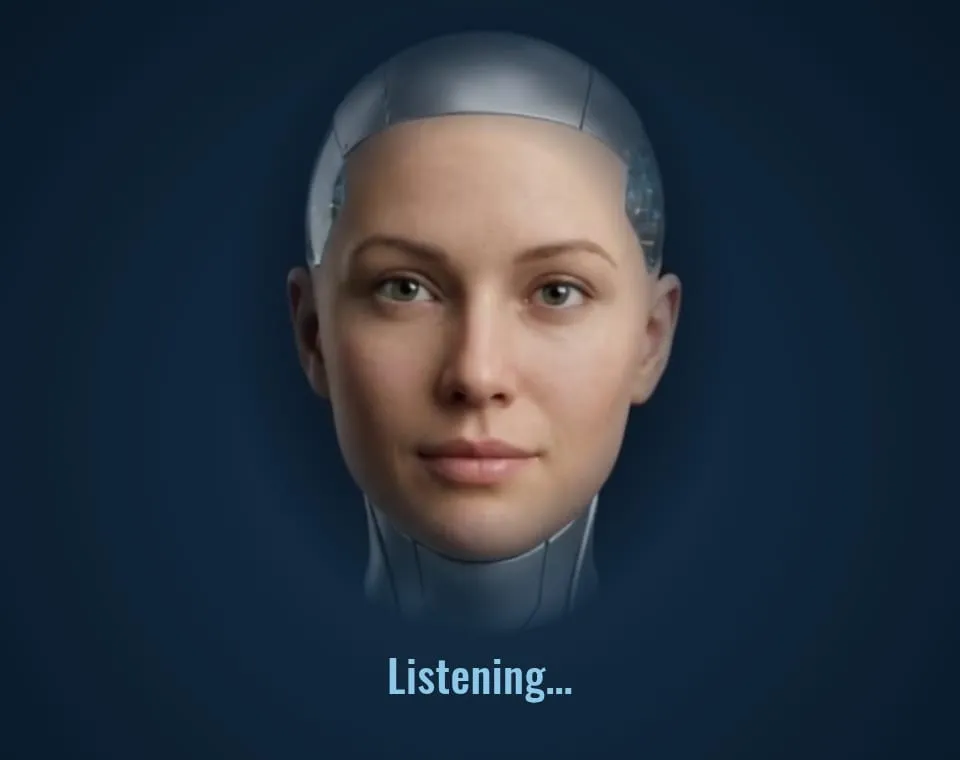
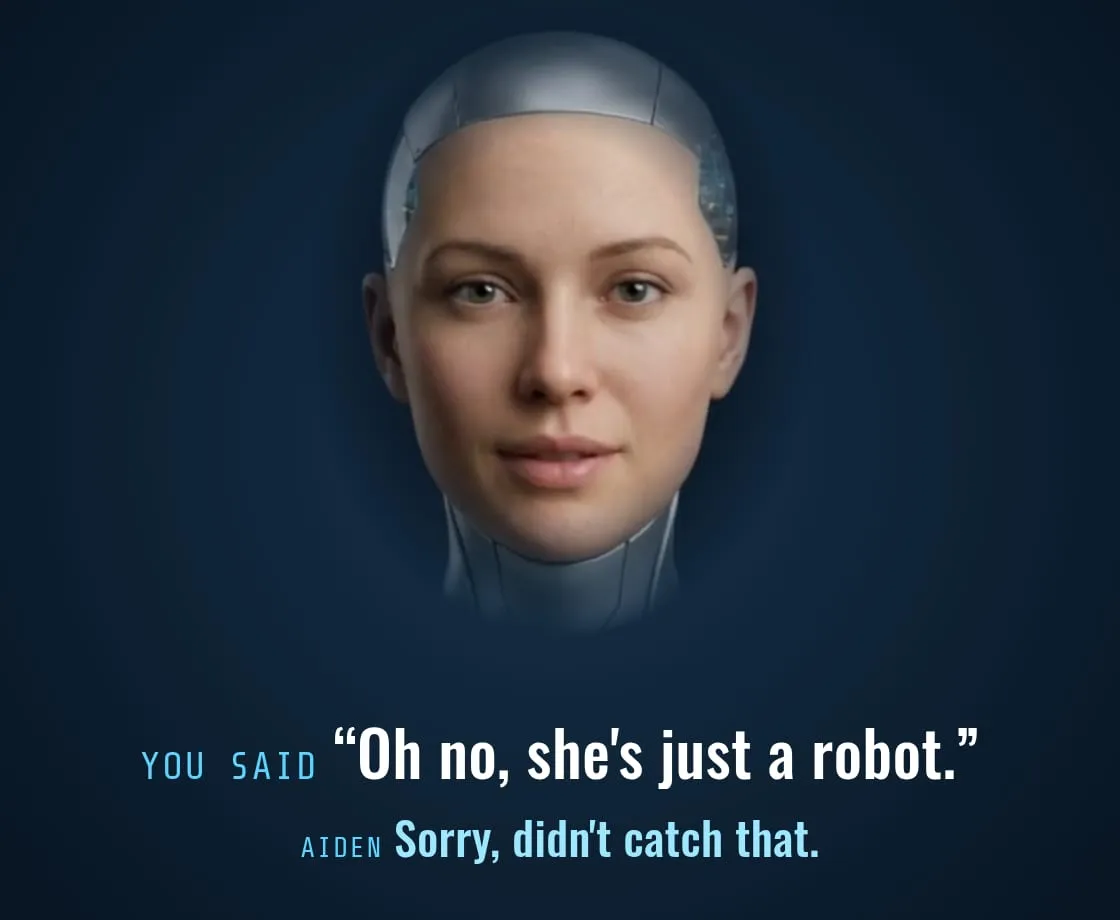
It has a face. The screen in the lounge is our cork board display. When the wake word fires, the board gives way to a face. It shows that it’s listening, then prints what it heard and what it’s saying back. If it misheard you, you can see that straight away, instead of wondering why nothing happened.
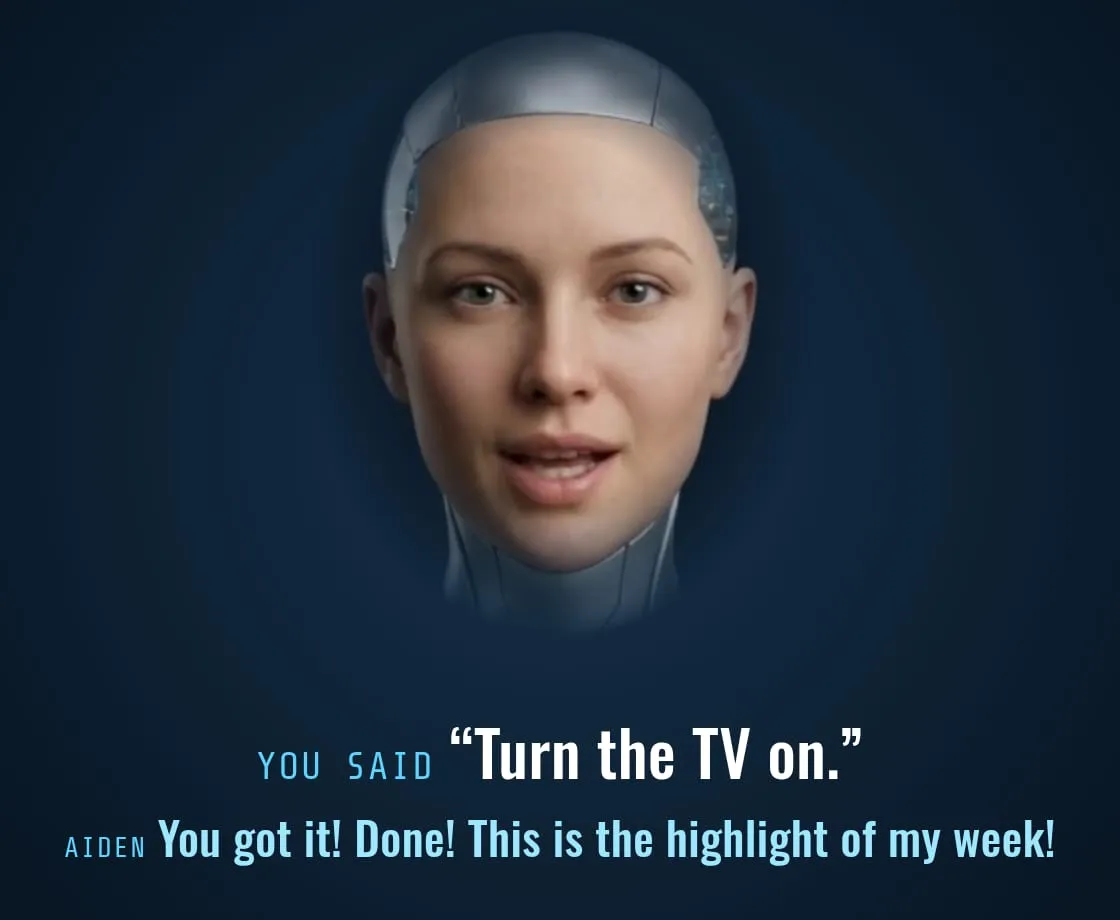

About these pictures. They’re the real board page, opened in a browser on my laptop, with requests copied from the log and played back through the page’s test hook. Nothing in the house was switched to take them. Each one is cropped to the middle of the screen. In the lounge the face moves: it’s a short video loop for each state, listening, thinking and speaking.
How fast:
- Everyday commands (“turn the TV off”, “turn on the radio”) are matched by Home Assistant’s own sentence list. 42 requests went that way this week, and all 42 did the right thing. The matching step takes about 15 milliseconds. The whole thing, from the end of speech to the reply starting, is under half a second.
- Anything else went to the language model on my server (Qwen3 8B). Its thinking took about 2 seconds on a typical request this week, and 9.3 seconds at worst. Back in September those were 20 to 30 seconds. Since 8 November this part is Claude instead (see the update below).
What the misses were:
- Someone trying to set the TV to 26, misheard four times in a row with the TV going.
- Long sentences with a command in the middle and chatter either side.
- A show name misheard (“a sesame streak”).
- “Is it rubbish day?” It knows the bins, but not that way of asking. I’ve left it: the house already announces bin night by itself and stops once the camera sees the bin out.
- Several worked the second time, said shorter.
What still isn’t right
- One wake in three is nobody talking to it. Conversation and the TV still set it off. The TV is muted and the show paused while it listens, so a false wake now costs a few seconds, not a missed scene. But it’s still the biggest problem.
It sometimes answers “done” to chatter.Fixed on 8 November, see below.- The kids aren’t enrolled yet, so it can’t greet them or answer “what have I got at school today” for the right kid. That’s the next step.
- The language model is the slow path. About two seconds is fine for a question, not for a light. The answer has been to move more things into the local sentence list, where they answer instantly.
Update, 8 November: the brain moved to Claude
The “done” replies were made up. There were 15 that week where the language model said “done” to chatter or a false wake. I checked Home Assistant’s logbook for every one: nothing had switched on or off. The model claimed it had done something it never did. Better than random switching, but you can’t trust a “done” like that.
Questions now go to Claude Haiku, through OpenRouter. Everyday commands still never leave the house: they’re matched by the local sentence list first, exactly as before. Only what that can’t handle goes to Claude. That breaks my original “nothing leaves the house” rule for questions, and I made that trade on purpose. On the same test questions, the local model took 26.8 and 10 seconds and then said it couldn’t do them. Claude answered general questions in 1.1 to 1.5 seconds, the state of the house in 2.8, and web questions in 4 to 6.5, and got them all right. If the internet drops, the everyday commands still work.
Claude never made up a “done”, but it chatted back. Ten bits of overheard chatter from that week, sent to it as text: no “done” at all. But it replied to every one, and often finished with a question (“what’s the boot about?”). In Home Assistant, a reply that ends in a question opens the microphone again. That turns one false wake into a conversation with whoever happens to be in the room.
The fix was one paragraph in its instructions. If what it heard isn’t clearly a request or a question for it, it says “Sorry, didn’t catch that.” and nothing else. No chat, no guessing, no question back. The same ten bits of chatter: ten “Sorry, didn’t catch that.” Real questions still get answered, and “Thanks Aiden” still gets “No worries, mate”.
10 November: it has a new name, Nabu, after its wake word (“Okay Nabu”), so nobody mixes it up with Claude, the assistant that did the digging below. “Thanks Nabu” gets the same answer.
10 November: the log now shows it in the lounge. Over the 9th and 10th it answered “Sorry, didn’t catch that.” 13 times, and the log shows it didn’t open the microphone again after any of them. By my reading, about eight were chatter in the room. The other five were real requests it had misheard (“TB off”), and those got said again.
How the work got done
Most of the digging was done by Claude Code, Anthropic’s AI coding assistant, working on my server with my say-so. It read the logs and recordings, measured things, found the causes and proposed the fixes. I approved each change, and the family did the testing by living with it. The rules I set: back everything up first, and never test by switching real things on and off, because the family is usually home, or asleep, when this gets worked on.
What made the difference wasn’t any one clever part. It was reading what the system actually heard, every time, instead of guessing.
Lessons learnt
Read what it heard before you change anything. Home Assistant’s pipeline debug view shows the text speech-to-text produced, which path handled it and how long each step took. Nearly every fix on this page started there, or in the saved recordings. “It can’t hear me” turned out to be the TV, the radio, the chime, Whisper making things up, and a firmware bug, in that order. It was never the microphone hardware.
Keep the language model off the everyday path. Exact matches answer in a fraction of a second, and the model takes seconds at best. Every phrase people say a lot (“put the kids’ show on”, “radio off”) should be a local sentence. Let the model handle the odd questions.
Speed is what gets it used. At 20 seconds nobody used it, however clever the answers were. At under a second for the common things, people stopped reaching for the remote.
Test it the way the house uses it. The radio loud, the TV on, three commands in a row, and the kids talking the way kids talk. One clean command in a quiet room proves nothing.
Check for an update before you fix someone else’s code. The lock-ups were already fixed in a newer ESPHome. I’d spent an evening tracing it and patching it by hand first.
Log every request, then sort a week of it by hand. It’s the only way I found out it said “done” to chatter. Every single test I’d run had passed. Then check what it actually did. Here it turned out nothing had switched, which changes how urgent the fix is.
Questions and comments
Loading comments…